Go to Senegal.
One or two weeks inside a working clinic.
During this spring program, youth participants travel to Senegal for a one- or two-week medical mission and education experience, depending on each student's schedule. Students interested in healthcare careers gain meaningful exposure to real-world medical service, interact with experienced physicians, learn about routine clinical practice, and join a community of motivated peers passionate about improving healthcare access around the world.
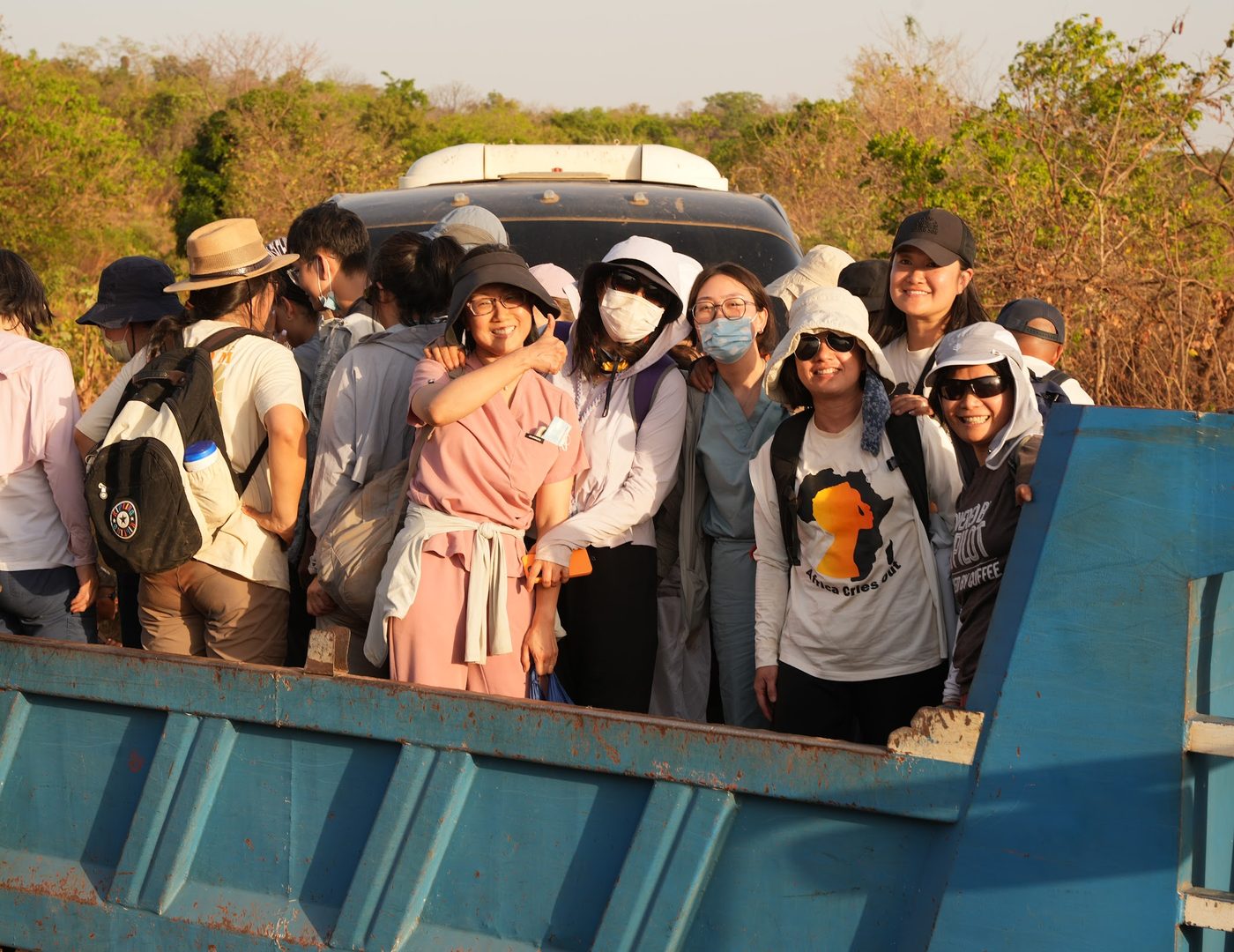
What students do
Every clinic role is done alongside licensed medical staff, under their supervision, after training:
- Welcoming and checking in patients at the front desk
- Recording vital signs — blood pressure, temperature, and weight — once trained
- Helping patients move through the clinic, guided by the triage nurse or doctor
- Shadowing physicians during consultation
- Helping the pharmacy team, under a licensed pharmacist
- Community outreach with local children and schools
Middle school, high school, college, and beyond (age 10 and up). No clinical experience required. Training starts before the trip during the preparation phase and continues on-site once the team arrives at the base in Senegal.
A different culture, new people, something bigger.
The trip is more than helping at a medical clinic. It gives young people the chance to experience a different culture, meet new people, and be part of something bigger than themselves.
Meaningful, supervised roles in the clinic
Registration, recording basic vitals, supporting patient flow, shadowing doctors, and assisting the pharmacy team — each under the guidance of licensed professionals, so youth see the whole process.
Community outreach
A role handled almost entirely by youth — playing soccer with locals, teaching arts and crafts, and sharing shoes and school supplies. It's where you truly see the impact you make.
Friendships that last
From working in the clinics to exploring Senegal together, volunteers get to know each other and form friendships that last long after the trip.
What youth can do at each station
Every patient moves through the clinic one station at a time — and youth volunteers help at each step, guided by medical professionals.
01Check In
Every patient starts here. Paired with a translator, students record a name, age, home village, and chief complaint, then open the card that follows the patient through the day.
02Vital Collection
Five readings taken and recorded before the patient moves on: blood pressure, pulse, temperature, weight, and blood oxygen.
03Triage
The triage nurse or doctor decides where each patient goes. Students help manage the order of the line and escort patients to the physician the clinician has assigned.
04Doctor Consultation
The physician examines the patient and decides on treatment. Students shadow, take notes, and move patients in and out of the room.
05Pharmacy
The last stop. Licensed pharmacists select, check, and dispense every medication. Students assist the pharmacy team — organizing pre-checked supplies and, with a translator, helping patients hear the pharmacist’s instructions.
+Rotating through the day
Youth state a preference and usually stay with one station — depth is the point. Once you've trained someone into your role, you can rotate through another.
VBS & Community Service
Soccer, volleyball, and organized activities with local children while their families wait to be seen — a role led almost entirely by youth.
Questions youth ask most
Email youth@africacriesout.org if your question isn't answered here.
Eligibility
Who can apply to the youth program?
Students age 10 and up, in two groups — a middle school group and a high school-and-above group (high school, college, and beyond). No prior clinical experience is required and no particular faith background is expected. Applicants under 18 must have a parent or legal guardian sign the consent and waiver forms. A parent normally travels with the team; in special situations a youth may travel without one — the parents arrange a guardian on the team, and ACO reviews and approves the registration.
Do I need prior medical experience?
No. Volunteers receive guidance from medical professionals and learn the appropriate steps for each station before they start.
Do I have to be Christian to join?
No, you do not have to be Christian to participate — youth of all faiths and backgrounds are welcome. Africa Cries Out is a Christian organization: the team’s daily rhythm includes an evening debrief and reflection, and a required Sunday team reflection program, which every participant attends as part of team life. Activities that are specifically Christian (such as leading prayer) are identified in advance and are always optional.
How old do I have to be to participate?
We welcome volunteers from middle school, high school, college, and beyond (age 10 and up), in two groups — a middle school group and a high school-and-above group. Volunteers under 18 are normally accompanied by a parent or legal guardian; travel without one requires a guardian arranged by the parents and approved by ACO.
Cost & Prep
How much does the trip cost?
Cost varies by year and departure city and is published in the annual outreach announcement alongside registration. It generally covers lodging, ground transportation, meals, and clinic supplies. Airfare, passport and visa fees, vaccinations, and travel insurance are separate. Fundraising support is available.
What should I bring?
Bath essentials, blankets, pillows, towels, and clotheslines are provided at the base. For extra comfort, pack a mosquito net, bug spray, sunscreen, sunglasses, and a hat. You'll also want a compatible power plug (types C, D, E, and K), three pairs of scrubs, long pants, short-sleeve shirts, and sneakers.
What do I have to do before the trip?
Meet with your healthcare provider to get the appropriate vaccinations, including yellow fever, and medications, including malaria prophylaxis, for travel to Senegal. Make sure your passport is valid before departure.
Life in Senegal
Will there be wifi?
Yes. Local eSIM cards or portable wifi routers can be purchased at the Senegal international airport for about $20–40 USD.
Do I need to understand French or Wolof?
No, local translators are there to help communicate with patients. That said, it helps to know a few simple phrases.
What is the weather like in Senegal during late March and early April?
About 100°F (38°C) at midday and around 60°F (16°C) in the early morning and evening.
Where do volunteers stay during the trip?
All youth and adult volunteers stay together at the base in the village of Kandan.
On the Trip
What does a typical day look like?
The team leaves early, sets up the clinic, and works the line until the last patient is seen. Setup and breakdown are done by the whole team every day. Afternoons include time with children in the community. Evenings are a team debrief and a short written reflection — which is how most of the youth writing here begins.
Can I choose which station I work at?
You can state a preference and it is usually honored. Assignments are made on the first day and students stay with one station, because depth is the point. Once you've trained someone into your role, you can usually rotate through a second station for part of a day.
Should my parents join this trip, and do they need a medical background?
Yes — and for any volunteer under 18, a parent or legal guardian normally travels with the team — in special situations a youth may come without one, with a guardian arranged by the parents and the registration approved by ACO first. No medical background is needed: we welcome all career backgrounds, since there are useful roles for volunteers well beyond clinical work.
Come with us to Senegal.
Students from middle school, high school, college, and beyond (age 10 and up). No clinical experience is required — training starts before the trip during the preparation phase and continues on-site once we arrive at the base in Senegal.
Have questions? Email youth@africacriesout.org