Opening MemoryDr. Jun Xu’s travel memoir in West Africa, 2018
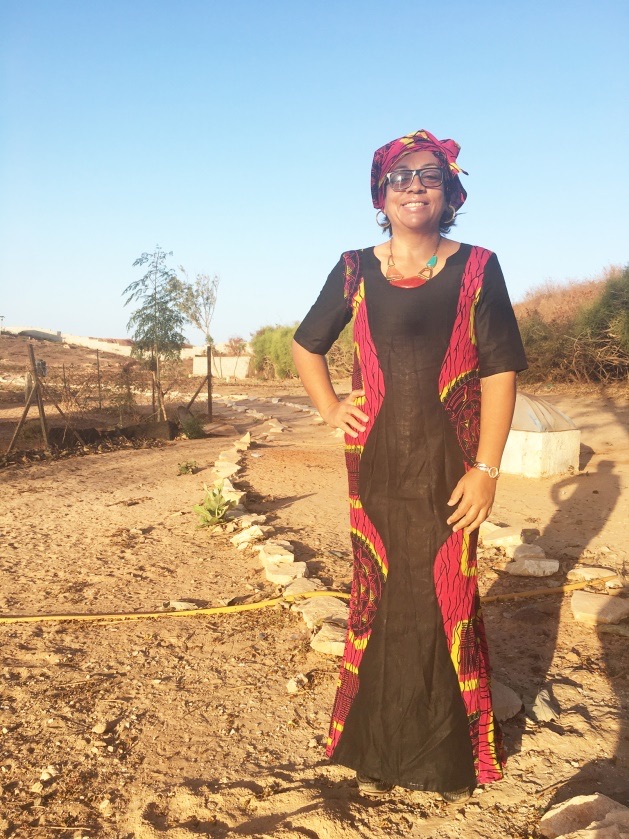
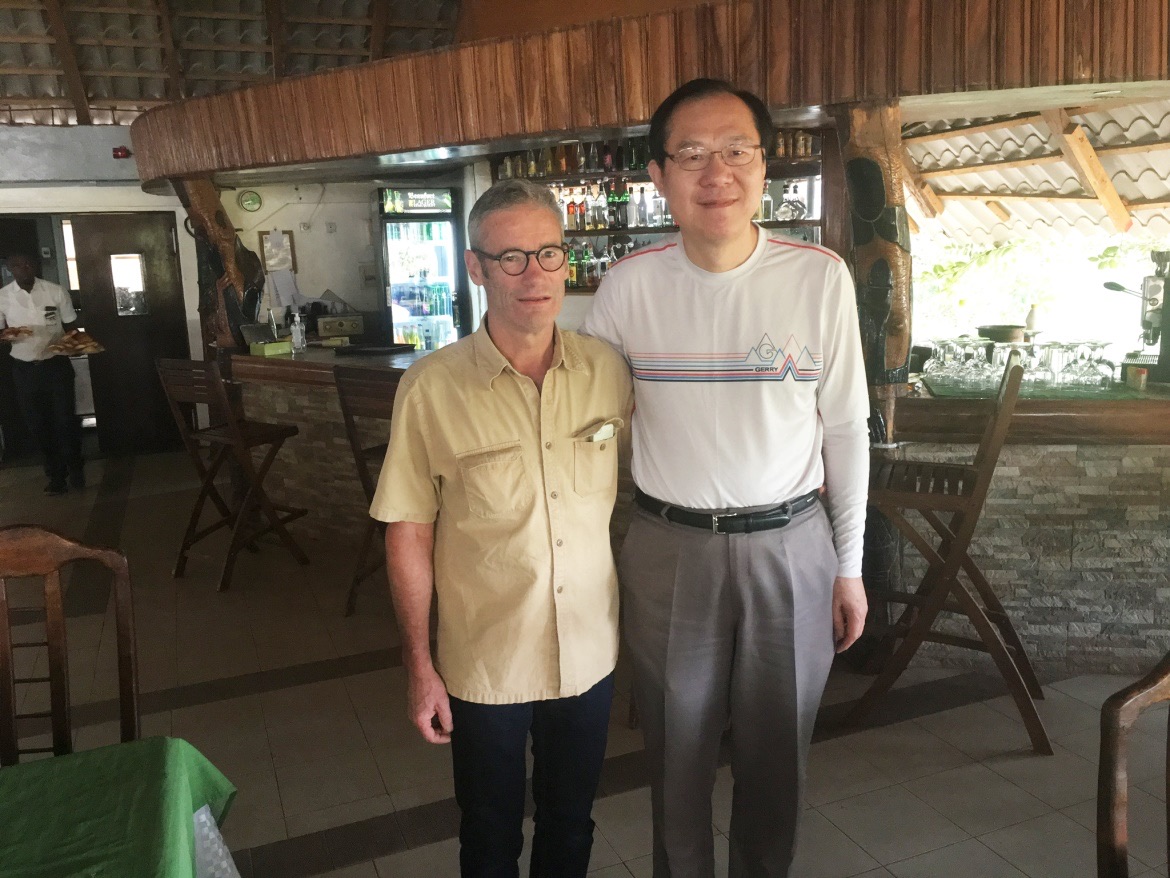
Since 2013, I got to know Ms. Ana Paula. She was only 5’5 and have a pair of smart and expressive eyes. For past 6 years, I visited the leprosy villages in Kédougou, Senegal, west Africa every year, but never even once had I think about who found the road in the thorns and bush to the leprosy village and who brought the light to the patients. Until this year when I volunteered in Senegal again with her, I knew that she was the first who brought her daughter to the leprosy village for more than ten years.
She hugged the leprosy patients with her soft arms and let her only daughter Emily grow up with other kids in the village. She stood with many girls who would suffer from female genital mutilation, roaring against the inhumane torture and tradition. She crossed the savanna with her bare feet many times to save many villages that had been abandoned by their government and society for more than ten centuries.
I have tried to talk to her many times, but she never wanted to tell me her story of suffering. After many times of requests, she slowly and unwillingly told me many stories of her past. Just these unfinished and unpolished stories set a fire in me that I feel obligated to share. If not, I would be burned by this fire in my heart.
Part 1Hugging the Leprosy Patients
In mid-1997, just graduated from theology school, Ms. Ana Paula took the flight from Brazil to Dakar, the capital of Senegal. She was 27 at that year with many imaginations for her future. She didn’t know yet what challenges were waiting for her in Africa, the land of suffering for hundreds and thousands of years. During three years in Dakar, Ana brought food, clothes and prayers to villages in the outskirt of Dakar, and learned French and five other local languages in six months.
In May 2001, pastor Olive told Ana that at the east most of Senegal, there was a province called Kédougou that needed her service. Though Ana knew little about that place, she agreed to go immediately with her husband as well. They took a bus with little luggage for 26 hours until they arrived in Kédougou. They rented a small house with no windows. When they just opened the door, there were seven or eight bats flying out, not to say the countless mosquitos, flies and mice. All the unpleasant smells formed a strong repellant that tried to push them out of the house.
On the second day, a dark-skinned middle-aged man knocked the door with a pair of scary eyes. He didn’t get into the house but stared at Ana and asked in French with thick dialect: “Are you missionaries?” He received yes. “You’d better return now! In 1970s, a pair of American missionaries stayed for three years. When they went back to the US for vacation, their helicopter fell into the forest. Then here came a few missionaries, but no one could stay. If you don’t listen to my advice, you will die here. Go back!” He blackmailed with cruel face. Ana shivered, feeling strong coldness. That night, pastor Ana prayed in front of Lord with tears. She asked Lord to give her courage.
On the morning of the next day, she walked to a village and saw many women draw water from a well. The thin rope scratched their hands. Ana immediately felt that this was the chance from God, that the women were waiting for her by the well. She soon bought a thick rope from the market and made it public use. A woman, later known as Marian, happily drew some water with the new rope and carried it, with Ana’s help, to her hovel. “I am Ana. I want to learn the local language,” Ana said, thinking learning language would be a good starting point. Marian said: “No problem, my husband and I can teach you.” A man waved his hand at her. Ana immediately found that man didn’t have a right palm and had a flat nose with lumps on his face. Ana started to observe Marian and found that she didn’t have a few fingers on her left hand.
“What disease was this?” Ana asked with fear. “Leprosy, we are leprosy patients. Our village is called Fadiga and we are surrounded by 8 leprosy villages. Here is where leprosy patients gathered,” Marian answered with a smile. Ana was shocked; she had never imagined working with leprosy patients. This was scary, and we can’t stay in this place — thinking of this, she ran away from Marian’s home with a pale face. Once arrived home, Ana talked to her husband: “Pack everything, we have to leave this place! We can’t stay here.”
“Ana, please take care of my sheep! I want you to shake their hands and hug them!” God’s words seemed to shake the land. Ana wept to leave, but God chose her to come. She can’t run away from this mission. She cried over and argued with God. But over and over again, God’s word won over her fear, and submission to God was her calling since born. On the next day, she returned to Marian’s little hovel. From that day, she visited every family in Fadiga. She shook their broken hands, hugged them and made friends with them. Many leprosy patients touched with tears: “Our family abandoned us here because they were afraid that we were contagious. They didn’t even want to touch us. You are a white woman and don’t know us, but you held our hands, hugged us and treated us as individuals. Why are you doing that?”
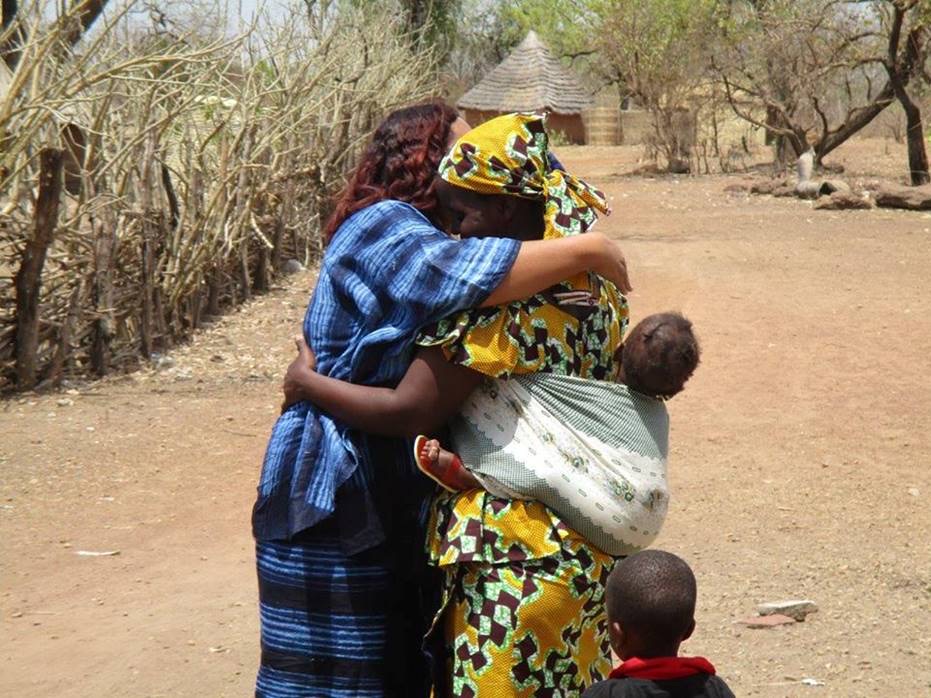
Ana’s heart was like the sunshine at the equator. Her answer was like spring that watered the abandoned field. She answered: “It was God who let me do this!” The villagers in the leprosy villages cried and told each other: “God eventually sent someone to care for us!” She carried an electricity generator on a donkey carriage, which gave villagers light at night. She helped to dig a well to let villagers drink fresh water. Every family received 50 kg of rice and oil, which gave them hope to live.
When Ana decided to build a new church, she got a curse from nine leaders of the leprosy villages: “Once the church is done, it will collapse. At the first mass, the roof will fall and crush all the people who come.” But the roof of the church did not collapse. The message of the miracle and of God was spread among leprosy villages. A new lifestyle was welcomed and the hygiene condition changed greatly. Many leprosy villagers converted to Christianity. The light at the church guided the patients to the road of truth.
After five years, Ana happily saw that God’s words rooted at leprosy villages and many families turned to God. Suddenly, she found that she was pregnant. She happily thought that the fight was over; she had stayed here for five years and it was the time for resting. She could go back to Dakar. “No, Ana, please take care of my sheep!” said the God that sounded like lightning. Ana was frightened. She argued with God again. She couldn’t imagine God letting her raise her child under this environment. How could she guarantee the child live healthily under this condition?
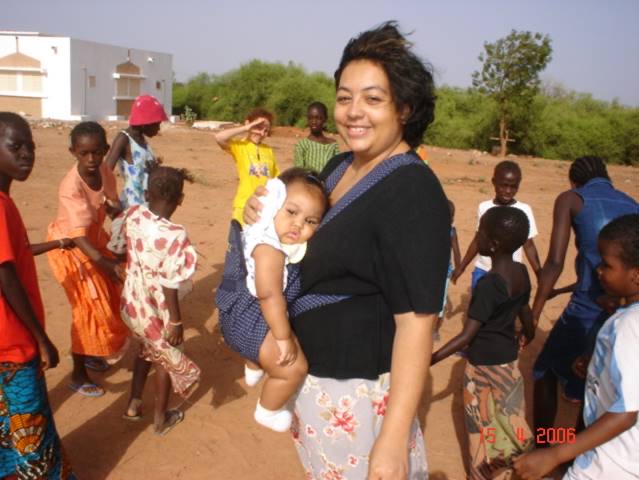
Jesus said: “You feed my sheep. I would tell you the truth: when you were young, you could be free and go anywhere. But when you are older now, you should serve others and serve at places you don’t want to come.” God’s order made her clear of her mission and she accepted God’s plan. Ana gave birth to a cute girl, Emily. She showed up at leprosy villages after a month. Emily was the gift from God, and Ana put her in a basket and put the basket on the ground. Little Emily was not crying at all. In this way, Ana took her daughter to every family in Fadiga.
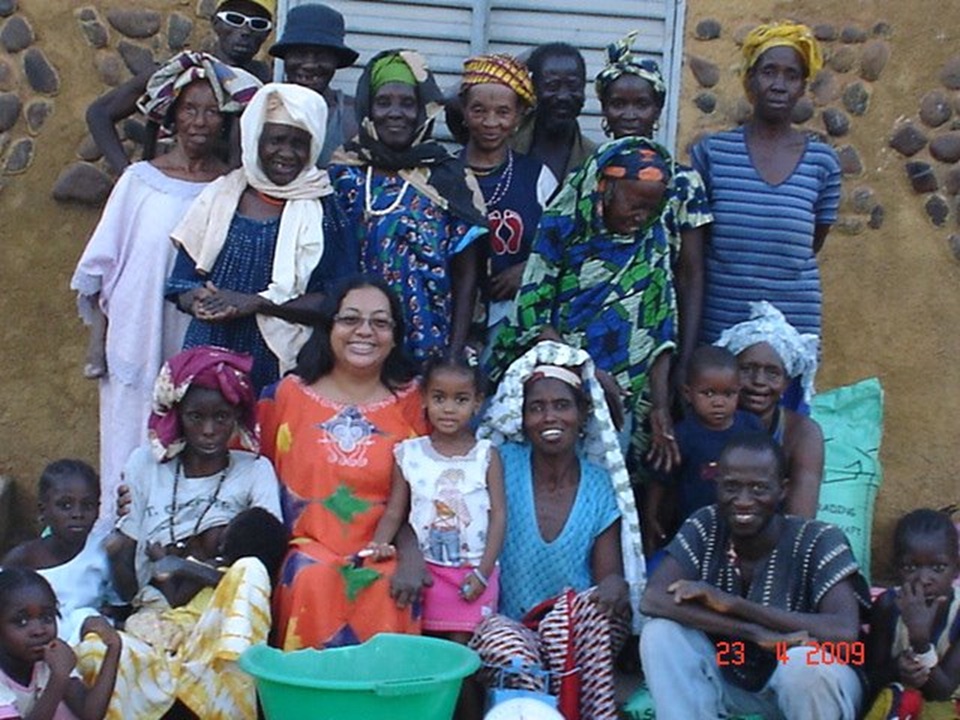
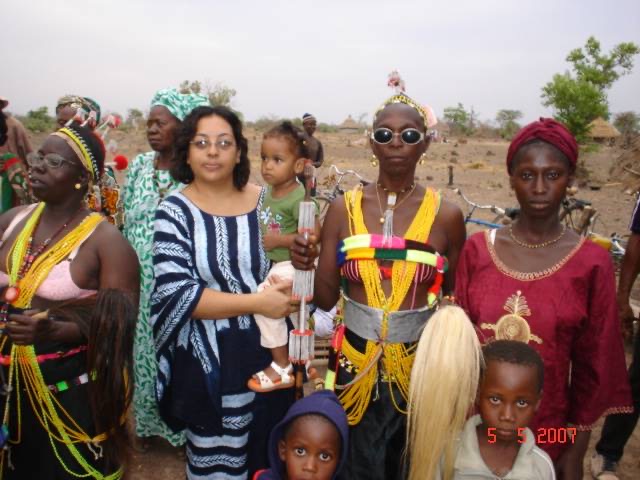
The photo below was the photo with leprosy villagers. Every villager had a smile. I was surprised to see that, on this photo, a woman with leprosy holds Emily with her fingerless right hand. Ana told that her daughter grew up in leprosy village and made friends with the patients’ children. I asked if she was not afraid of Emily having leprosy. She pointed to the sky and said she believed in God.
Writing to this point, my eyes started to water. I couldn’t imagine someone devoted themselves to God like her, who even devoted her child. In this place full of flies and mosquitos and contagious bacteria, a child can become friends with the leprosy villages’ children. Ana was born and raised in São Paulo, Brazil. She knew the importance of hygiene and education to children. How could she allow her child to grow in a place like this? To be honest, I can’t sacrifice myself like Pastor Ana Paula, and not to say to let my children grow in Africa. Every time when I talked to Ana, she was like a huge mountain that I can’t compare myself with.
In a glance, Ana already lived in the leprosy village for 10 years. In Fadiga, the church was the most beautiful building in the area. A hospital, a doctor dorm, a well and an electricity generator made a great change in Fadiga. Miracles also happened here. This year during our trip, we met a French epidemiologist. He researched 9 villages around the area, and found 72 new leprosy cases. However, he didn’t find a single new patient in Fadiga. This result means that, with the effort of pastor Ana and her team and the grace of God, at least in Fadiga, the leprosy was controlled. God was like a castle who protected Pastor Ana, Emily and us.
Part 2Roar to Protect Women
Pastor Ana slowly adapted to leprosy village life. However, she faced a bigger challenge now. One day, a girl secretly told her that she had to do female genital mutilation, and invited Ana to her ceremony. Female genital mutilation was a deadly tradition in Africa for a thousand years. To keep the “purity” of women, since a girl is born, for a week people shave her hair and leave scars on her head every few years. Until puberty, there is a ceremony that can only be attended by women. Adult women, wearing masks and singing old songs, hold down the girl’s hands and feet. Then, an old woman with no medical training cuts off the girl’s labia and even clitoris without any anesthesia nor sterile procedure. Lastly, she sutures the opening and only leaves a small hole. Therefore, many women after the procedure couldn’t urinate and had vesicovaginal fistula. They could have inflammation and fever and bear a high death rate.
Ana asked closely about this ceremony and can’t help saying to this girl: “You can’t go to do this procedure!” The girl was very scared too. She teared up and sobbed and said: “My mom, my sister, my grandmothers, and all the women in my village did this procedure. If I don’t do it, they would say I am not a real woman and I can’t marry in the future. If I get pregnant, no one will help me deliver.” Ana was very angry: “I will go! I will go to protest!”
Ana held Emily to the ceremony. She discovered surprisingly that there were some Christian sisters there. They saw Ana silently and shook their heads. Ana stood with other women and argued loudly. But one person’s power was too small to beat the hundreds and thousands of years of tradition. In the deadly screaming and crying, Ana’s voice was so insignificant. The poor girl became a new sacrifice for the old tradition.
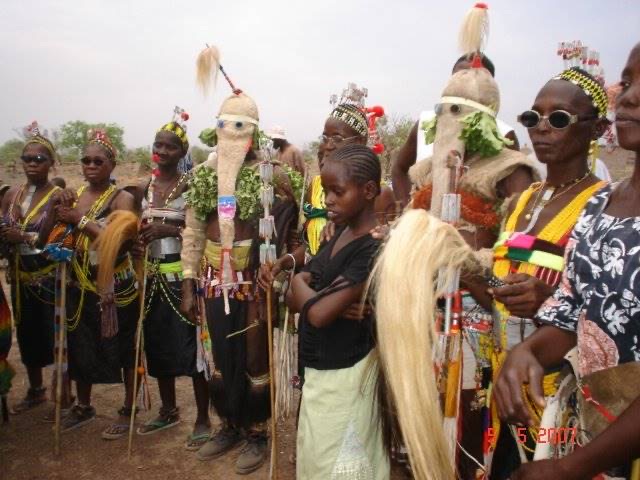

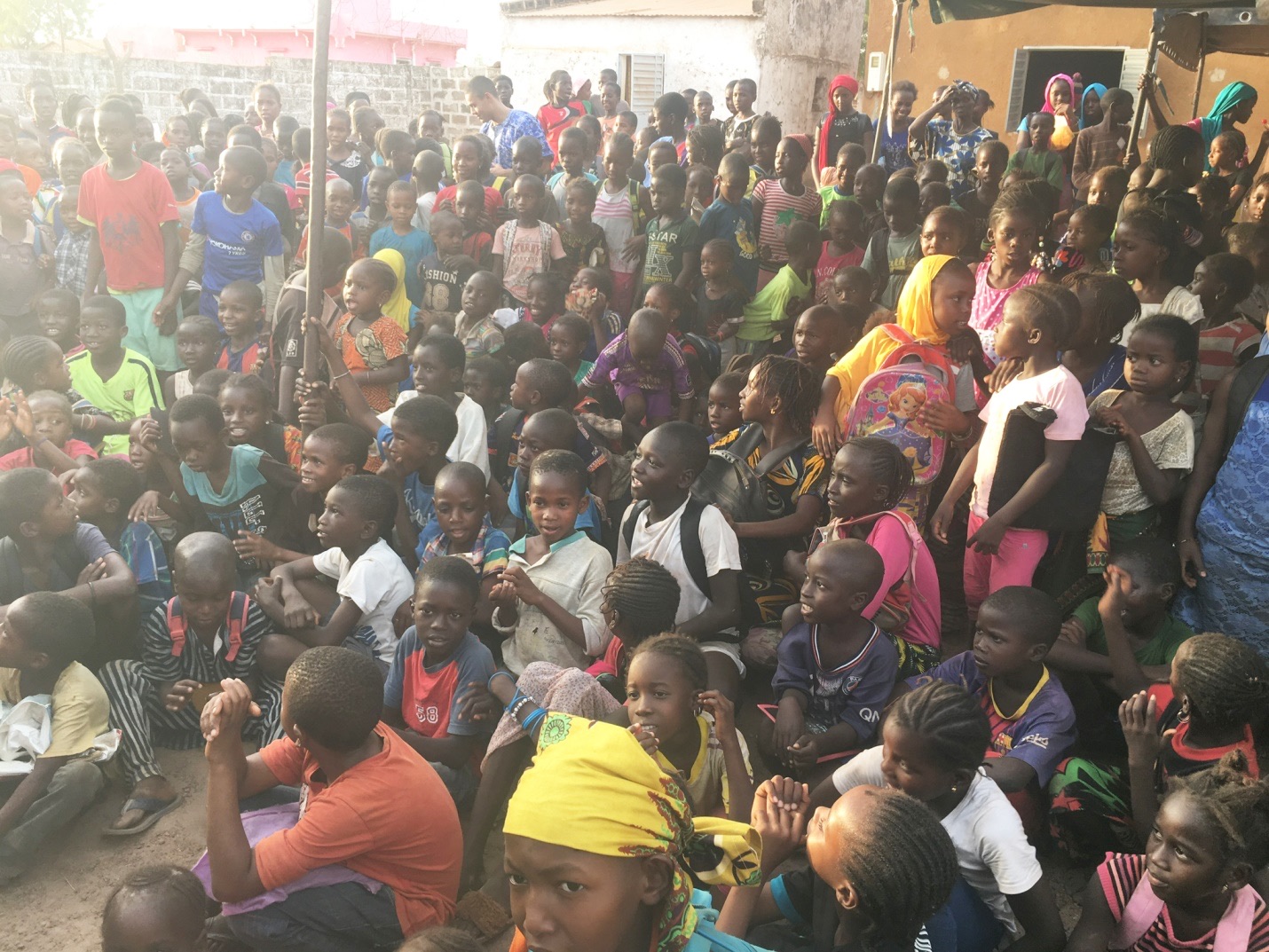
The Somalian female poet Dahabo Musa wrote a poem in 1988. She described the pain of female genital mutilation as “three feminine sorrows”: the procedure itself; the wedding night, when the woman is cut open; and childbirth, when she is cut again. Ana went home with a heavy heart. She prayed to God: “Lord, please help those poor girls!” “I should build a school and a church!” she suddenly realized. In Fadiga, 100% of adult women went through this procedure. She couldn’t stop them, but she can prevent young girls from getting into this tragedy again. She tried her best to teach women, and her church in Fadiga became more and more popular. Since there were more and more children, she decided to teach those children God’s words to prevent them from this inhumane torture.
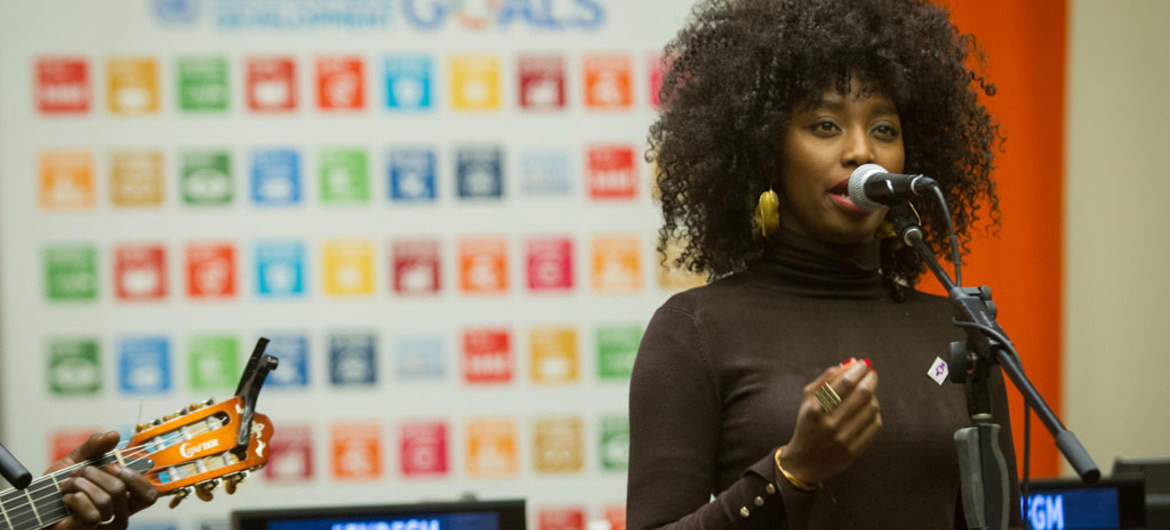
Recently, the international community also started to realize the problem of female genital mutilation. Malian singer Inna Modja was one of the victims. On Feb. 8th, 2016, she testified at the United Nations and requested to ban this procedure worldwide. According to UNICEF’s report, there have been 30 countries and more than 200 million women who went through this torture. The United Nations proposed to eradicate this procedure by 2030. However, this is too late. When we saw those innocent girls in Fadiga, I promised in my heart that I would like the world to know this tradition, and let many fellow Chinese and pastor Ana work together to at least save the girls in the Fadiga area from this inhumane torture. We may not be able to save all the girls, but from today, we could change a girl’s life completely if we can save even one girl.
Part 3Finding the Village Abandoned by Civilization
The scorching sun baked every tree in the savanna in Kédougou. In this province, some villages have never had any contact with modern civilization. They were relying on nature and dying out quietly. People living in those villages didn’t know the change of dynasties, let alone cars or phones. In 2002, pastor Ana heard about a village called Jingjing where people needed to be taken care of. She had a strong feeling that she had to get in to visit them. After knowing the rough location of the village, she drove towards Jingjing with an old Toyota.
After leaving the main road for less than a mile, there was no road in front of her but endless jungle, with only a small trail extending. What should I do? Go forward or back out? Ana was thinking. Looking at her one bottle of water and two pieces of bread, Ana was aware that if she lost her direction in the jungle, she would likely die from thirst and hunger. But if she didn’t go, those people might never get into contact with the outside world. She silently prayed for power from God, dropped the car at the side of the road, and started walking. Under 140°F, she could feel the burn from heart to skin. In the jungle on her sides, monkeys and hogs sometimes ran by. The vulture chirped in the background. Ana was extremely nervous, afraid of a lion attack.
After only two miles, she was breathing heavily and wanted to go back; this was too scary.
“No, but I can’t go back. I have many people’s lives in my hands! If I am going to die, I would rather die on the road where I am going forward!”
She prayed and trekked forward under the scorching sun. For the entire 10 miles, she sweated terribly. When she was almost going to fall on the road, she saw a small thatched hovel next to a mango tree, like a little mushroom. “I am eventually here!” She cheerfully yelled once and fell at the side of the road, breathing heavily. A group of villagers with shabby clothes walked towards her. A thin and tall middle-aged man, wearing a yellow robe and a round hat, stood next to her with a serious face. His facial expression clearly told Ana: this is my territory; who are you and why are you here uninvited?
Although Ana could speak five or six local languages, she couldn’t speak the language the villagers talked to each other. In a hurry she explained with gestures, trying to show them why she was here. But no one could understand. At this time, the leader-looking person started to speak another language. Thank God, Ana could understand this one. From that day on, modern civilization rooted here. Ana invited the government officers to come to register the villagers. Now everyone has their birth certificate and ID. If they don’t have a name, they are given one right at the spot. If they only remembered their approximate age, the government would give them a birth date. If the villagers got married, the government can issue a certificate. Then they have an official family. I went to Jingjing this year, and many villagers proudly showed us their IDs — they could be documented citizens.
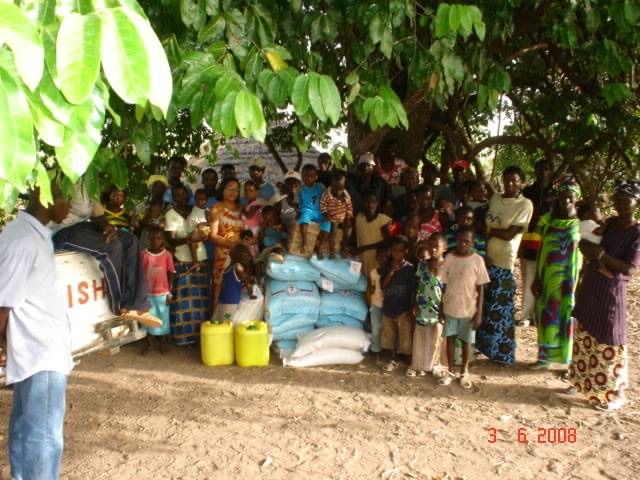
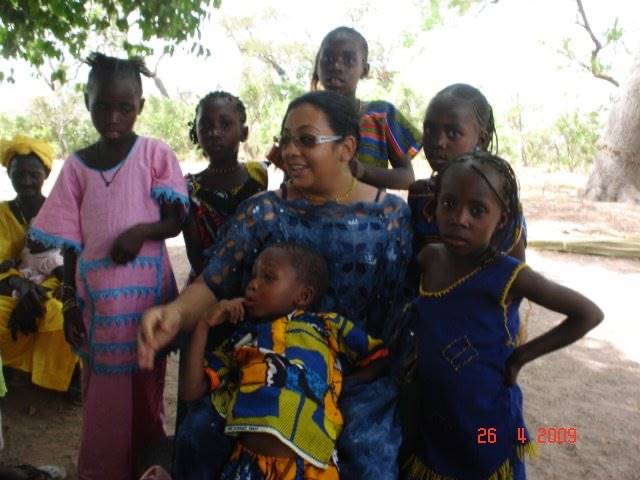
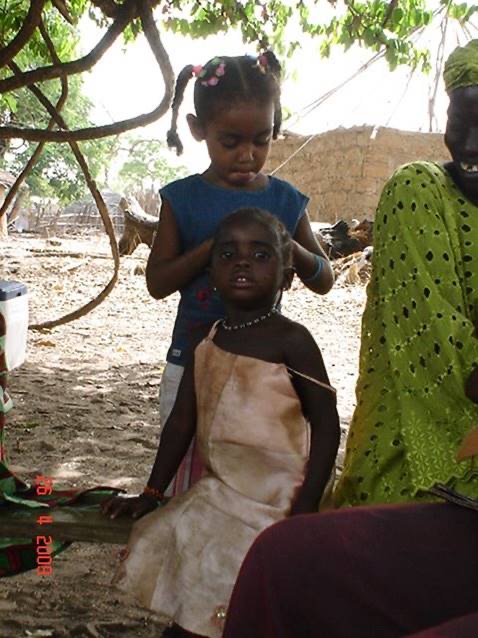
The leader of the village used to be a witch doctor who could decide people’s lives easily. Pastor Ana prayed with him faithfully, and he abandoned the old faith and became God’s son. Under his leadership, the entire village believed in God. A church was built, and a team of pastor Ana was sent to stay in Jingjing. Soon, a school was built, and there were children reading books in the thousand-year-old forest. The electricity generator allowed them to farewell the darkness. Soon, the telephone line was installed and doctors came. Some infectious diseases got controlled. Hundreds of villagers were saved.
Since 2013, we took a cargo truck to Jingjing five times. This year I tried to record the process of getting into the village, but my phone showed a notification that the temperature was so high that the phone stopped. I couldn’t imagine how pastor Ana risked her life alone, with just a bottle of water, and trekked through this savanna. I deeply believe that this is faith. The faith made her willing to sacrifice her life to save others.
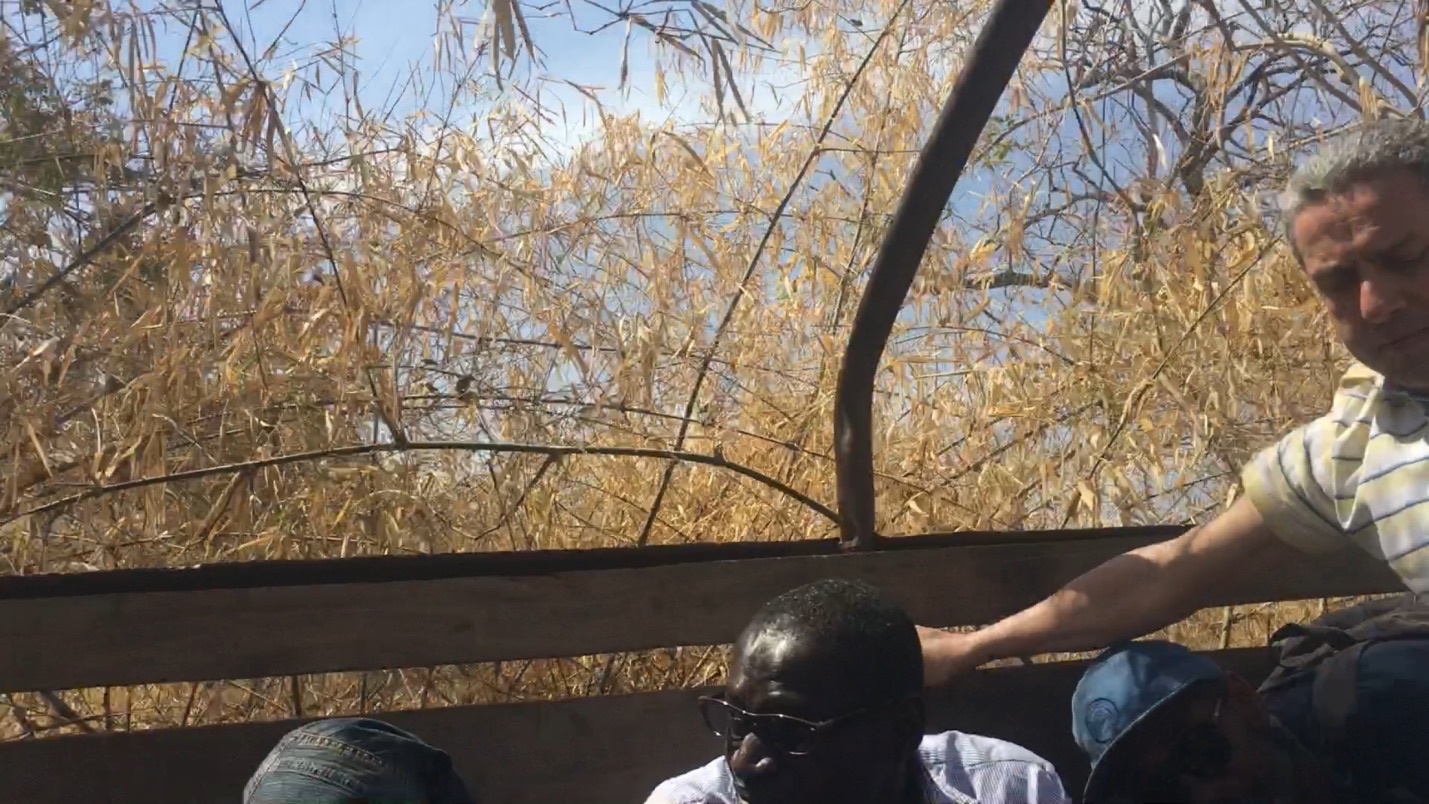
Jingjing is one of the progressive villages that pastor Ana changed. In Kédougou, there are many unknown villages, and some of them rejected any outsiders. They usually killed anyone who got into their territory. Pastor Ana sometimes risked her life to enter a few of these villages, but they didn’t allow her to practice there. Pastor Ana could give up her life to love those people who denied modern civilization. To help them come in contact with God, pastor Ana went to tens of these villages and saved countless lives.
Part 4In Honor of Pastor Ana
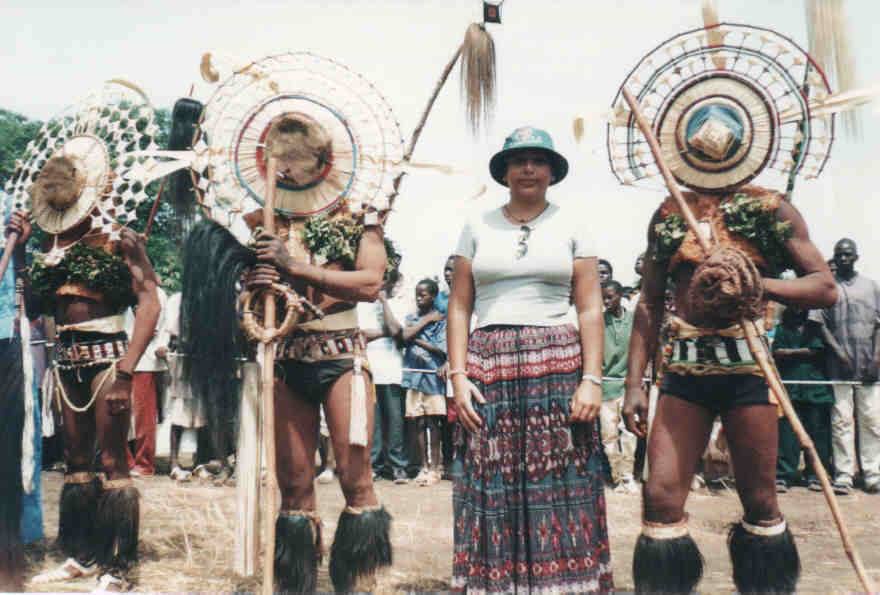
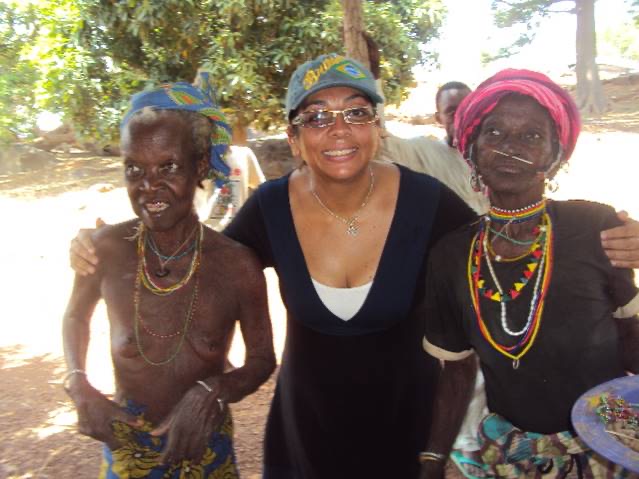
Throughout the span of human life, if one can achieve any of the three things above, that would be a great deed of a life. Pastor Ana carried the burden with her soft shoulders and achieved all of these. She burned more than ten years of her youth and ignited many people’s fire of lives.
Every time I stood next to her, I could feel the energy from her to my heart. I have to admit that pastor Ana was a true hero in my heart.
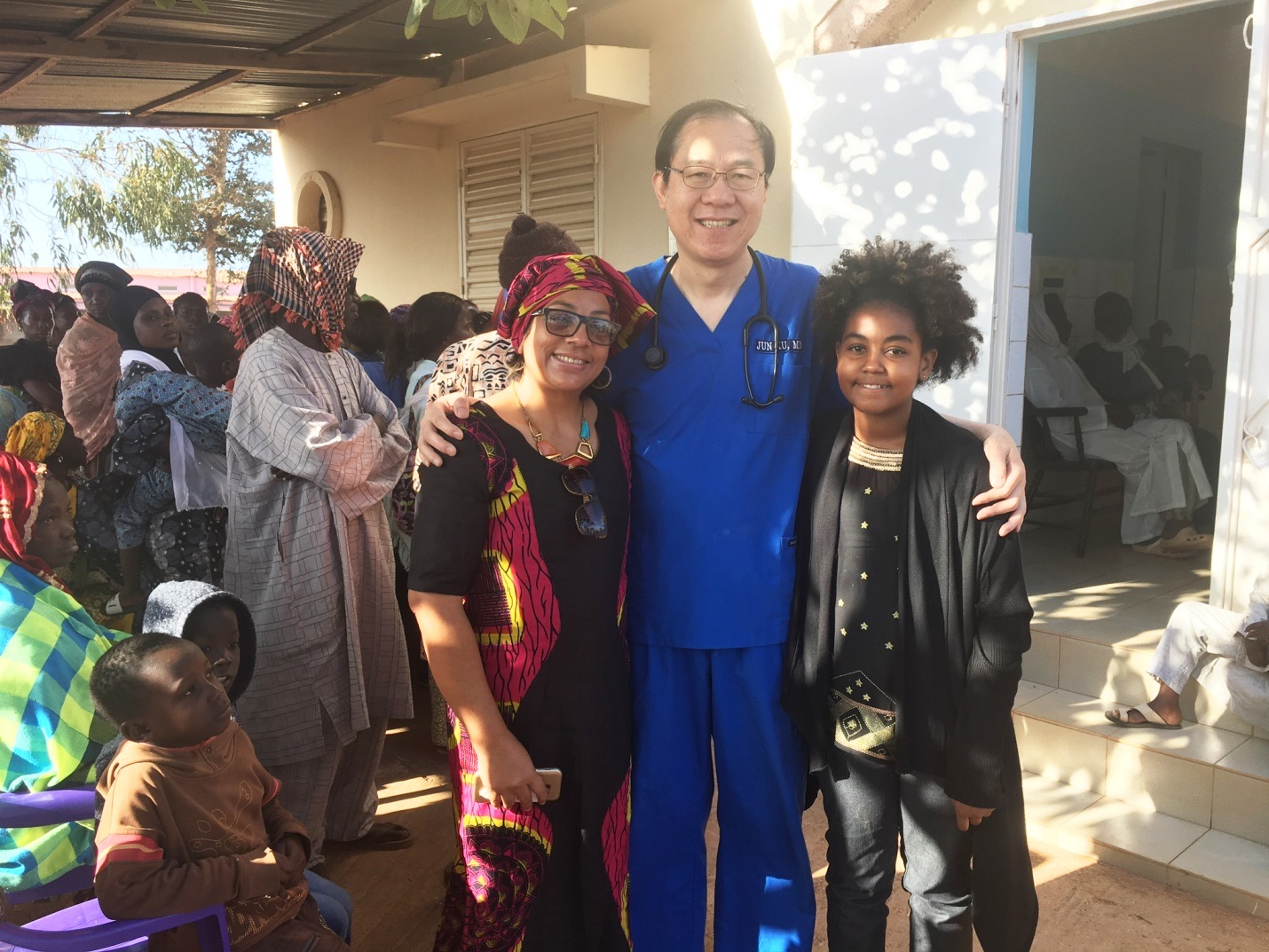
I felt deeply that life needs resurrection. The meaning of it is to use the light of your life to ignite others’ souls. A person can be small and vulnerable, but if one can have love, he or she can deliver the light of love to ignite others’ fates. Love is life. Love is resurrection. Resurrection is life. The resurrected life was from the Lord who created the universe.
Pastor Ana used her 10 years in the leprosy villages, and her life, to show the meaning of life and how to enjoy it. She had nothing in material life, but she has the vast amount of love like a mountain and sea. Let us learn from Ana and give our lives to others. My dear brothers and sisters, as long as we start from ourselves and start with a little love, one day we can be a hero like pastor Ana.
All pastor Ana wished was to build a school and clinic in Jingjing, and allow girls to have an education and not to suffer from female genital mutilation. We started to work together since 2013 and made a lot of progress since then. But it is far from enough. From my description, people must think that pastor Ana is a persistent person with a mind of steel. However, she is like you and me — a real person, who has happiness and pain. In a following report, Dr. Xu writes about how pastor Ana went through the ten years in the leprosy villages.
Written by Dr. Jun Xu, in New York
April 30, 2018 · Translated by Amy Guo